The Economics of Online Video Platforms and Creator Monetization
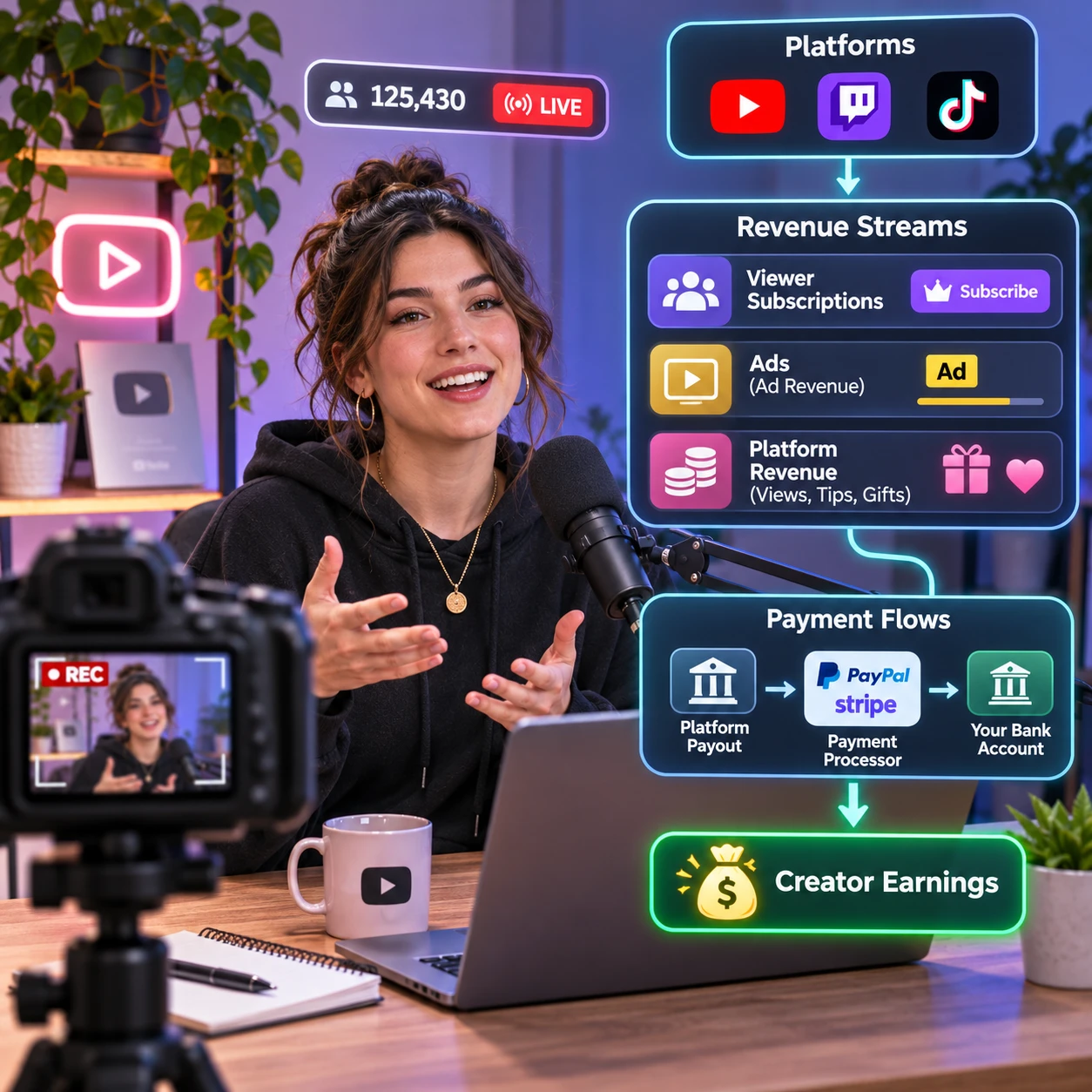
Online video platforms connect viewers, advertisers, subscribers, and creators, but the money does not flow evenly between them. A platform’s revenue model determines what it can pay creators, while audience behavior and contract terms shape what creators actually take home.
How video platforms make money
Online video platforms make money mainly through advertising, subscriptions, and paid features. Each model earns revenue in a different way and creates different incentives for the platform and its creators.
Advertising revenue comes from selling ad placements before, during, or around videos. Advertisers pay to reach audiences, and the platform may share part of that revenue with eligible creators. The amount available can depend on ad demand, viewer location, content category, and whether an individual video is suitable for advertising.
Subscriptions give viewers access to an ongoing paid service, such as ad-free viewing or a library of premium content. Some platforms use subscription revenue to fund creator payouts, while others keep subscriptions as a separate source of income. Paid features can also include rentals, purchases, live-stream perks, or virtual gifts.
These models can operate together. A platform may earn from ads on free viewing while also charging for a premium plan. Its share pays for costs such as video hosting, delivery, moderation, product development, and payment processing. That means gross platform revenue is not the same as profit, and neither figure directly tells a creator what they will earn.
How creators earn on video platforms
Creators earn through platform payouts and direct or brand-funded income, including memberships, tips, and sponsorships. Most creators combine several methods because each depends on different audience behaviors.
Advertising revenue and platform revenue sharing can produce income when eligible videos attract monetized views. However, a view does not always generate an ad impression, and payout rules vary. A creator should treat ad income as one component of a business rather than assume that every view has a fixed value.
Subscriptions and memberships can provide recurring income from viewers who want exclusive videos, community access, or other benefits. Viewer payments and tips offer a more immediate way to support a creator, especially during live streams. Platforms may handle billing and distribution, but usually set rules about fees, eligibility, refunds, and access.
Sponsorships involve a brand paying for a mention, integration, or dedicated video. They can earn more per campaign than a small ad payout, but they require negotiation, disclosure, and a good fit between the product and audience. Other options include affiliate commissions, merchandise, licensing, and paid courses. Each adds work, and not every audience wants the same offer.
Revenue sharing, fees, and payout rules
Revenue sharing determines how platform-generated income is divided between the platform and a creator, while fees and payout rules affect the final amount and payment timing. The share can differ by product, country, or creator agreement, so there is no universal percentage.
A practical way to read a monetization offer is to follow the money in order:
- Gross revenue: What viewers, advertisers, or sponsors pay before deductions.
- Platform deductions: The platform’s share, payment processing costs, taxes collected at source, refunds, or other stated charges.
- Creator proceeds: The amount credited to the creator, before their own taxes and business expenses.
For example, a membership price is not automatically the creator’s take-home income. The platform may deduct fees, and the creator may still owe income tax or pay for production. Read the platform’s current terms for eligibility, minimum payout thresholds, payment schedules, chargebacks, and whether revenue is calculated before or after certain deductions.
Compare like with like when assessing platform fees. A lower stated fee may come with fewer discovery tools or weaker payment support; a larger platform share may fund services that help creators reach viewers. Terms can change, so keep records of statements and avoid building a budget around an unverified payout estimate.
What shapes a creator’s earning potential
A creator’s earning potential depends on audience size, audience engagement, content format, and the fit between viewers and a monetization method. A large audience can help, but reach alone does not guarantee high or stable income.
Audience size creates opportunities for ad impressions, memberships, and sponsorships. Yet a smaller community that watches regularly and trusts the creator may be more likely to subscribe, tip, or respond to a relevant sponsor. Audience engagement includes more than likes: repeat viewing, watch time, comments, live participation, and willingness to support a creator can all matter.
Format also changes the economics. Long-form videos may create more opportunities for advertising than short clips, depending on platform rules and viewer behavior. Live streams can encourage tips and real-time memberships, while educational series may support subscriptions or paid products. These are tendencies, not guarantees; production costs and audience expectations differ.
Use a simple fit test before adding a revenue stream: Does the audience want it? Can the creator deliver it consistently? Does the platform make the transaction clear? A mismatch can damage trust. For instance, a sponsorship unrelated to a channel’s subject may pay once but weaken future audience engagement.
The trade-offs of relying on platform income
Platform income can make distribution and payment easier, but it exposes creators to changing rules, algorithms, and audience demand. Diversifying revenue can reduce reliance on any single source, although it adds operational work.
Ad income can fluctuate with seasonality, advertiser demand, video suitability, and view patterns. Memberships may be steadier, but they require ongoing benefits and communication. Sponsorships can bring larger payments, yet campaigns may be irregular and involve approvals or brand constraints. Viewer tips are direct, but often unpredictable.
Platform dependence is another risk. A change in recommendation systems, monetization eligibility, fees, or account status can affect reach or payouts. Creators have limited control over these systems. Keeping an email list or website, maintaining copies of original files, and building more than one income stream can provide some resilience, though these steps do not replace platform discovery.
A common mistake is treating a strong month as a reliable forecast. Instead, track revenue by source over several months, separate gross receipts from net income, and plan for low periods. Diversification works best when each additional stream suits the audience; adding too many offers can distract from making videos.
Choosing a platform and monetization mix
Choose a video platform and monetization mix by matching its features, fees, and payout terms to your content and audience. The right choice depends on what viewers will support and how much control the creator wants.
Compare platforms across a few practical questions:
- Discovery: Can new viewers find the content through search, recommendations, or sharing?
- Monetization: Are ads, memberships, tips, sponsorship tools, or paid content available and suitable?
- Economics: What fees, thresholds, eligibility requirements, and payout schedules apply?
- Control: Can the creator communicate with the audience and retain access to content or customer relationships?
- Workload: What production, moderation, fulfillment, and customer support will each income stream require?
Start with one or two methods that fit naturally. An entertainment creator with frequent live sessions might test tips or memberships; a specialist educator might consider a paid series or sponsorships that match the subject. Review results after a set period, such as a quarter, using net income, time spent, audience response, and repeatability rather than views alone.
No platform guarantees creator income. A sound plan treats platform payouts as one part of the business, checks the terms behind every revenue stream, and adapts when audience behavior or platform economics change.
Frequently asked questions
What are the main ways creators make money on video platforms?
Creators commonly earn from advertising revenue sharing, subscriptions and memberships, viewer payments and tips, sponsorships, affiliate commissions, merchandise, and paid content. Availability and eligibility vary by platform.
How does revenue sharing work?
Revenue sharing divides qualifying platform revenue between the platform and a creator according to the applicable terms. The creator’s credited amount may also reflect fees, refunds, eligibility rules, and other deductions.
Do creators keep all revenue from memberships or tips?
Usually, creators do not automatically keep the full amount a viewer pays. A platform may deduct a share or processing fees, and creators remain responsible for applicable taxes and their own costs.
Why can creator income vary from month to month?
Income can change with views, ad demand, viewer location, seasonality, sponsorship timing, membership churn, tips, and platform policy or eligibility changes. Tracking each source separately helps explain those swings.